Discover the Top Neighborhoods in Jerusalem for Your New Home: Jerusalem Housing Market Insights

When I first started exploring the idea of buying property in Jerusalem, I quickly realized that this city is a mosaic of diverse neighborhoods, each with its own unique charm and character. Whether you’re drawn to the historic streets, the vibrant cultural life, or the peaceful green spaces, Jerusalem offers something for everyone. If you’re considering making this ancient city your home, let me take you on a journey through some of the top neighborhoods that might just be the perfect fit for you.
Understanding Jerusalem Housing Market Insights
Before diving into specific neighborhoods, it’s important to get a sense of the overall housing market here. Jerusalem’s real estate scene is dynamic and often reflects the city’s rich history and cultural diversity. Prices can vary widely depending on location, property type, and proximity to key landmarks or transportation hubs.
One thing I’ve noticed is that foreign buyers and investors often find Jerusalem’s market both exciting and challenging. The demand for quality homes is high, and the supply can be limited, especially in the most sought-after areas. That’s why working with a trusted brokerage that understands the nuances of the market is crucial. It’s not just about finding a house; it’s about finding a home that fits your lifestyle and investment goals.
If you’re curious about the current options, you might want to check out some homes for sale in Jerusalem to get a feel for what’s available and at what price points.
Exploring the Heart of Jerusalem: The Old City and Surroundings
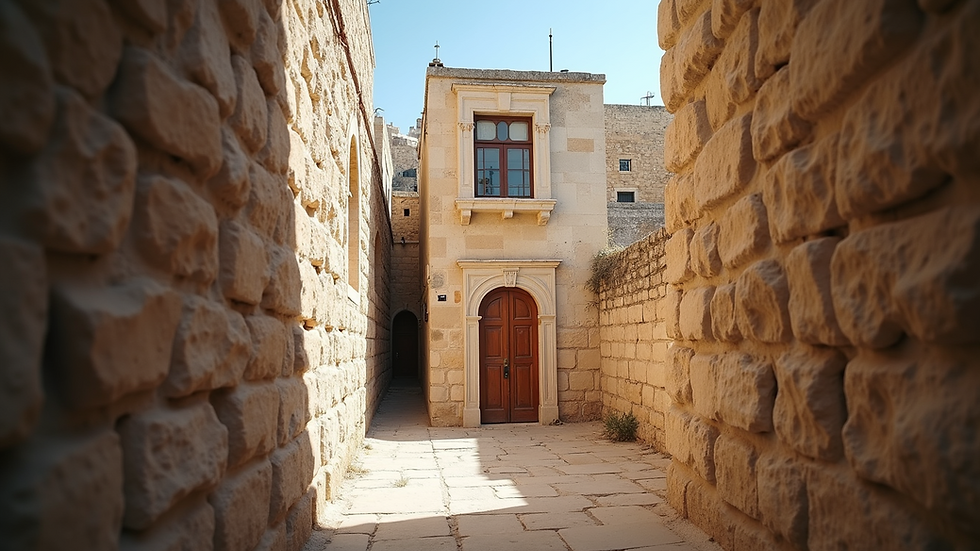
There’s something magical about living near the Old City. I remember walking through its narrow alleys, feeling the weight of history around every corner. While properties inside the Old City itself are rare and often come with unique challenges, the neighborhoods just outside its walls offer a wonderful blend of old-world charm and modern convenience.
Take the Jewish Quarter, for example. It’s a place where ancient stones meet contemporary living. Homes here often feature traditional stone architecture with modern interiors, perfect for those who want to immerse themselves in Jerusalem’s spiritual and cultural heritage. The proximity to major religious sites and bustling markets means you’re never far from the city’s vibrant pulse.
Just a short walk away, neighborhoods like Nahalat Shiva and the German Colony offer a more relaxed atmosphere with cafes, boutiques, and green spaces. These areas are popular among families and professionals who appreciate a quieter pace without sacrificing access to the city center.
Modern Living in Talbiya and Rehavia
If you’re looking for a neighborhood that combines elegance with a strong sense of community, Talbiya and Rehavia might just be what you need. I’ve spent many afternoons wandering through these leafy streets, admiring the beautiful gardens and classic architecture.
Talbiya is known for its upscale residences and quiet, tree-lined avenues. It’s a favorite among diplomats and academics, thanks to its proximity to the city’s cultural institutions and universities. The homes here often feature spacious layouts and charming balconies, perfect for enjoying Jerusalem’s mild climate.
Rehavia, on the other hand, has a slightly more urban feel but still maintains a warm, neighborhood vibe. It’s packed with cafes, bookstores, and small parks, making it ideal for those who enjoy a lively yet comfortable environment. The community here is diverse, with a mix of long-time residents and newcomers, which adds to its welcoming atmosphere.
Both neighborhoods offer excellent schools and easy access to public transportation, which is a big plus if you’re planning to settle down for the long term.

Why Consider Investing in Jerusalem’s Real Estate?
You might be wondering, why Jerusalem? Beyond its spiritual and historical significance, Jerusalem’s real estate market has shown remarkable resilience and growth potential. From my conversations with local experts and investors, it’s clear that properties here are not just homes but also valuable assets.
The city’s expanding infrastructure, including new transportation projects and urban development plans, is making many neighborhoods more accessible and attractive. Plus, the demand from both local residents and international buyers keeps the market vibrant.
If you’re thinking about investment, it’s worth noting that Jerusalem offers a variety of property types - from charming apartments in historic buildings to modern villas with stunning views. This diversity means you can find something that fits your budget and investment strategy.
And remember, navigating this market can be complex, especially for foreign buyers. That’s why partnering with a knowledgeable brokerage like Jerusalem Homes can make all the difference, ensuring a smooth and successful purchase process.
Family-Friendly Neighborhoods: Givat Shaul and French Hill
For those of us who prioritize family life, finding a neighborhood with good schools, parks, and a safe environment is key. Givat Shaul and French Hill are two areas that consistently come up in conversations about family-friendly living in Jerusalem.
Givat Shaul is a bit more suburban, with plenty of green spaces and community centers. It’s a place where kids can play outside safely, and neighbors know each other by name. The housing here ranges from modest apartments to larger family homes, offering options for different budgets.
French Hill, located in the northern part of the city, is known for its excellent educational institutions and proximity to the Hebrew University. It’s a vibrant community with a mix of cultures, which adds to its dynamic feel. The views from some of the homes here are simply breathtaking, overlooking the city and surrounding hills.
Both neighborhoods offer a slower pace of life compared to the city center, which can be a real blessing after a busy day.
Making Your Move: Tips for Buying in Jerusalem
Having walked through this process myself and helped others along the way, I want to share a few practical tips that can make your home-buying journey in Jerusalem much smoother:
Do your homework - Research neighborhoods thoroughly, visit them at different times of day, and talk to locals if you can.
Work with a trusted agent - A local expert can guide you through legal requirements, negotiations, and paperwork.
Consider future growth - Look for areas with planned developments or infrastructure improvements.
Think about lifestyle - Proximity to schools, work, and leisure activities can greatly affect your daily happiness.
Be patient - The right property might take time to find, but it’s worth waiting for the perfect fit.
Jerusalem’s housing market is full of opportunities, but it’s also a place where knowledge and patience pay off.
Your Jerusalem Home Awaits
I hope this little tour of Jerusalem’s top neighborhoods has sparked your imagination and helped you picture where you might want to plant your roots. Whether it’s the historic allure of the Old City’s surroundings, the elegant streets of Talbiya, or the family-friendly vibe of Givat Shaul, Jerusalem has a neighborhood that can feel like home.
If you’re ready to explore the possibilities, don’t hesitate to dive into the current listings of homes for sale in Jerusalem and reach out to experts who can help you navigate this exciting journey. After all, finding a home in Jerusalem is not just about buying property; it’s about becoming part of a living, breathing city with a story that spans millennia.
So, what’s stopping you? Your new Jerusalem home might be just around the corner.


Comments